
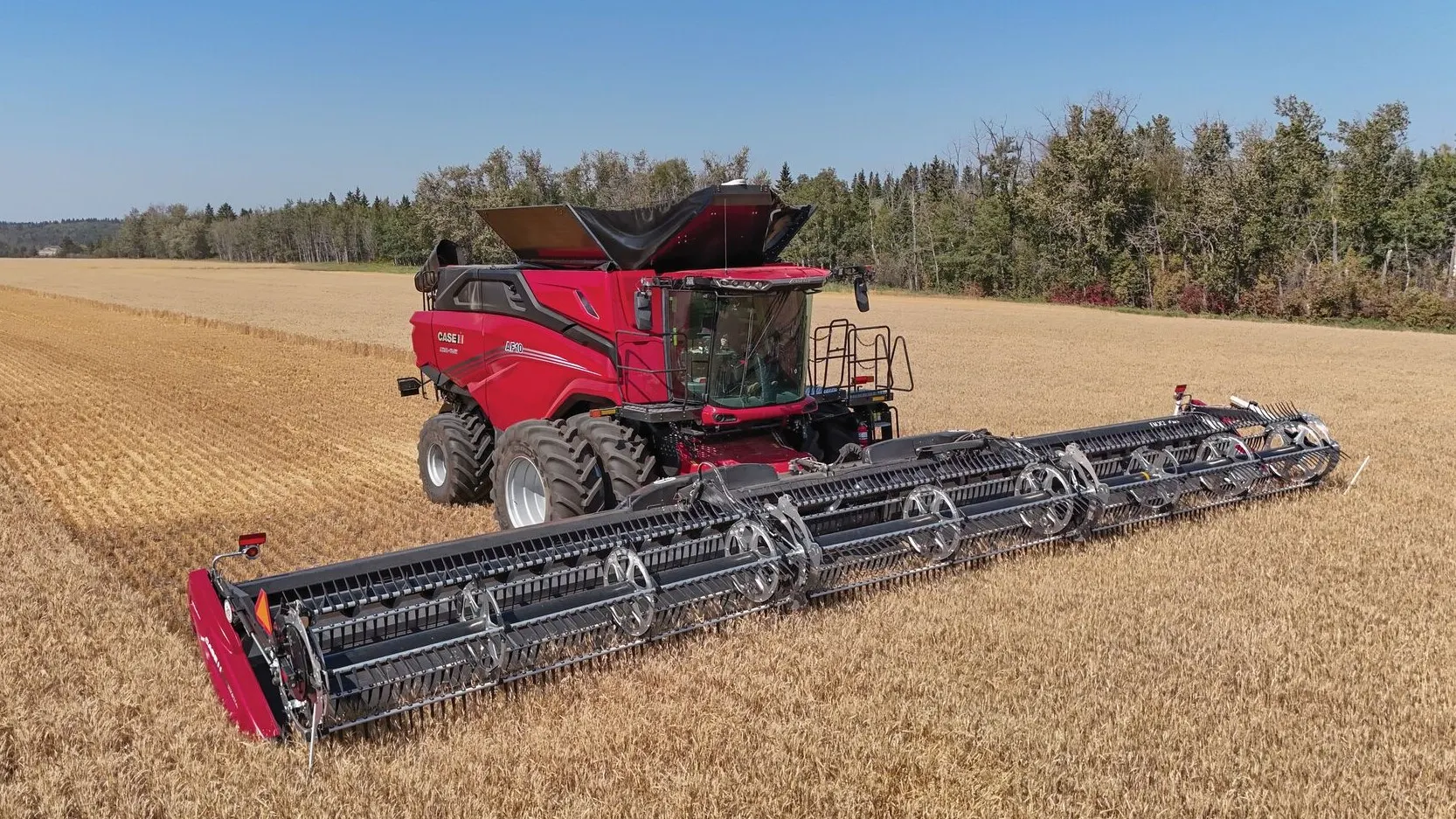
When harvest windows are tight and acres keep expanding, combine performance is no longer about “good enough.” Large U.S. farms need machines that can move massive volumes of grain, protect yield quality, and run efficiently day after day. That’s exactly where the Case IH AF9 and AF10 step in.
These two flagships represent a major leap in combine design—built specifically for high-acreage operations that demand capacity, consistency, and flexibility across crops. In this guide, we’ll break down what makes these machines different, how they perform in real-world conditions, and which type of operation benefits most from each.
Why the AF Series Matters for Modern U.S. Farming
Large farms today face three constant pressures:
- Shorter harvest windows
- Higher labor and fuel costs
- More diverse crop rotations
The AF9 and AF10 were developed to address all three. Instead of incremental updates, Case IH rethought the entire combine layout—from crop flow and rotor design to residue handling and service access. The result is a Case Combine platform built for scale.
AF9 & AF10 Overview: Same DNA, Different Capacity
Both models share the same core technology, but they’re designed for different operation sizes.
AF9 at a Glance
- Built for large farms looking to step up capacity without jumping to the absolute maximum size
- Strong fit for corn, soybeans, wheat, and small grains
- Balances throughput with fuel efficiency and maneuverability
AF10 at a Glance
- Designed for ultra-large operations and custom harvesters
- Handles extreme crop volumes with less risk of bottlenecks
- Best suited for farms where every hour of uptime matters
Think of the AF9 as a high-capacity workhorse and the AF10 as a true harvesting powerhouse.
The AFXL Rotor: The Heart of Performance
At the center of both machines is the AFXL dual-rotor system, one of the biggest differentiators in this Case Combine lineup.
What Makes It Different?
- Largest axial-flow rotors in the industry
- Gentle crop handling with consistent threshing
- Smooth material flow that reduces power spikes
Why Farmers Notice the Difference
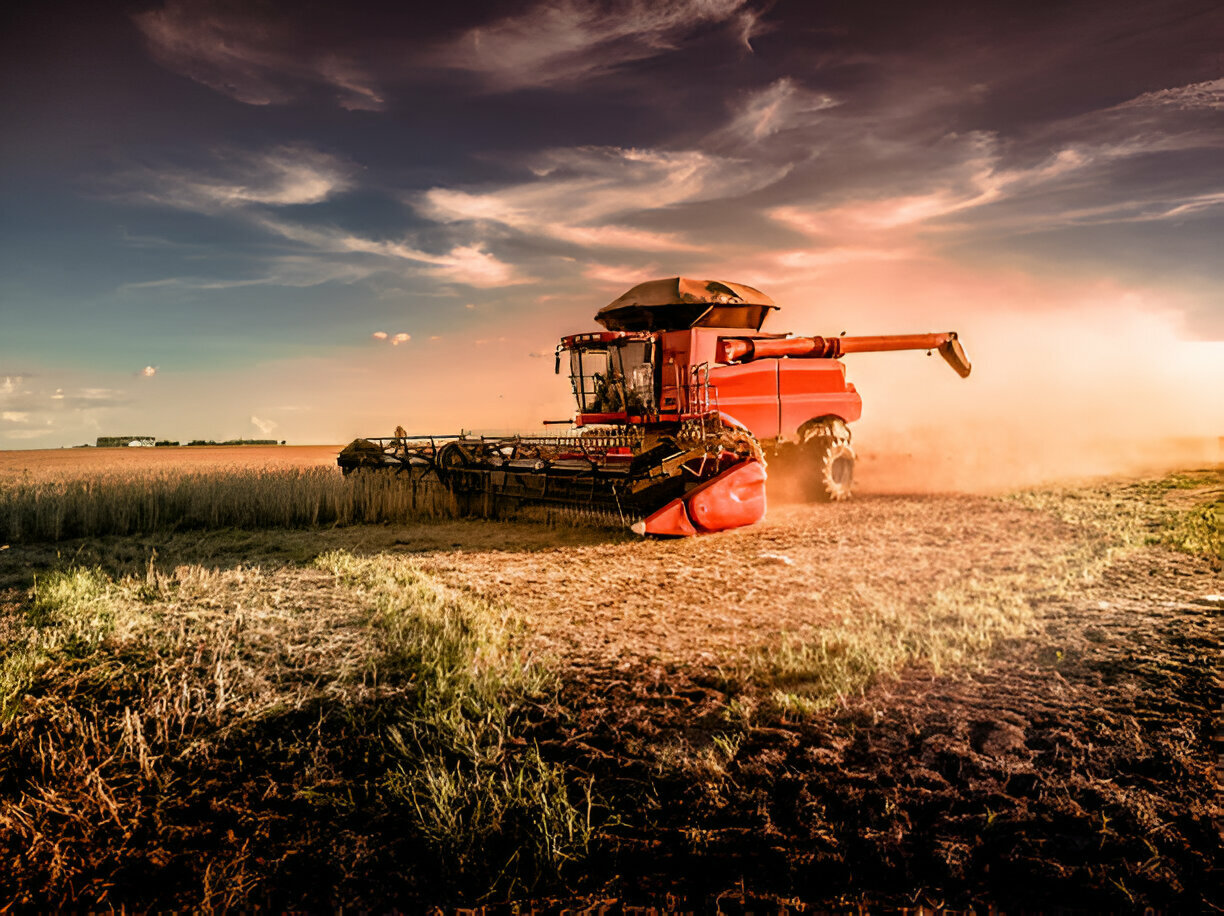
In high-yield corn or tough wheat, uneven feeding is often the cause of grain loss and cracked kernels. The AFXL system spreads crop load evenly, maintaining threshing quality even when pushing ground speed.
Grain Quality and Loss Control in High-Yield Conditions
High capacity means nothing if grain quality suffers. AF9 and AF10 are built to protect yield while moving volume.
Key advantages include:
- Reduced grain-on-grain damage
- Consistent separation across varying moisture levels
- Cleaner samples with less reliance on aggressive fan settings
For U.S. farms delivering to elevators with strict dockage standards, this matters just as much as bushels per hour.
Power, Fuel Efficiency, and Daily Operating Costs
Large engines don’t have to mean inefficient machines. These combines are designed to deliver usable power, not wasted horsepower.
Real-World Benefits
- Stable power under load reduces operator adjustments
- Efficient crop flow lowers fuel burn per acre
- Less plugging means fewer shutdowns during peak harvest
Over a full harvest season, those small efficiency gains translate into real savings.
Residue Management for No-Till and Strip-Till Systems
Residue control is often overlooked when choosing a combine, but it directly affects next season’s planting.
AF9 and AF10 excel here:
- Even residue distribution across wide headers
- Strong chopping performance in corn stalks
- Improved breakdown for faster residue decomposition
For operations running no-till or strip-till systems, this consistency can reduce spring field prep costs.
Cab Comfort and Operator Efficiency
Long harvest days demand a cab that works with the operator, not against them.
Operator-focused features include:
- Clear sightlines to the header and unloading auger
- Logical control layout for quick adjustments
- Reduced noise and vibration for less fatigue
When one operator can run longer hours with fewer mistakes, overall harvest efficiency improves.
AF9 vs AF10: Which One Fits Your Operation?
| Feature | AF9 | AF10 |
| Best For | Large family farms | Very large farms & custom harvest |
| Crop Volume | High | Extremely high |
| Maneuverability | Slightly better | Optimized for scale |
| Investment Level | Lower | Higher, but maximum output |
If your operation regularly runs multiple high-capacity headers and pushes harvest limits, the AF10 is hard to beat. If you want flagship performance without going all-in on size, the AF9 makes strong economic sense.
Pros and Cons to Consider
Pros
- Exceptional throughput in high-yield crops
- Excellent grain quality at high speeds
- Designed specifically for large U.S. farms
- Strong residue management
Cons
- Size may be excessive for smaller operations
- Requires experienced operators to maximize performance
- Higher upfront investment than mid-class machines
Common Mistakes Farmers Make When Choosing Large Combines
- Buying for peak acres only
Oversizing without considering logistics can create bottlenecks at carts and trucks. - Ignoring residue needs
Poor residue handling can increase spring fieldwork costs. - Underestimating operator training
Advanced machines perform best when operators understand setup and adjustment.
Frequently Asked Questions (FAQ)
Are AF9 and AF10 suitable for mixed crop operations?
Yes. They perform well in corn, soybeans, wheat, and small grains commonly grown across the U.S.
Do these machines require special maintenance routines?
Maintenance is similar to other high-capacity machines, but easier access points reduce daily service time.
Is the AF10 only for mega-farms?
Not exclusively, but it delivers the most value when acres and yield levels are consistently high.
How does this Case Combine platform compare to older axial-flow models?
The AF series significantly increases capacity, improves crop flow, and reduces grain loss under heavy loads.
Final Thoughts: Power That Matches Today’s Farming Reality
The AF9 and AF10 are not just bigger machines—they’re smarter, more balanced harvest systems built for how large U.S. farms actually operate today. From grain quality and fuel efficiency to residue control and operator comfort, this Case Combine lineup focuses on real-world performance, not marketing specs.