
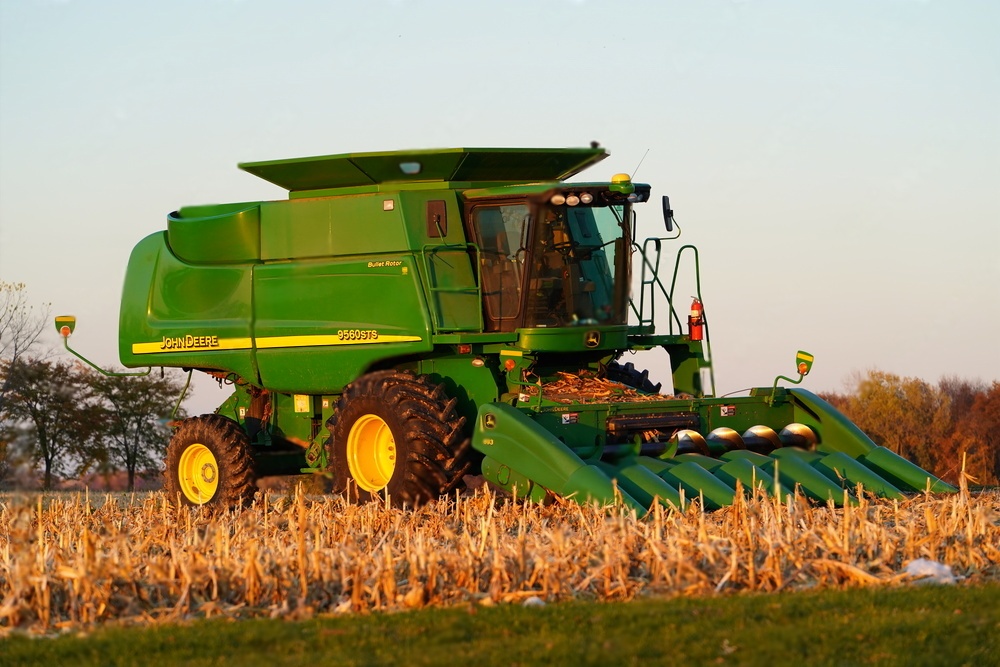
Harvest is the most critical phase of the entire farming cycle. By the time your combine enters the field, every decision you’ve made—hybrid selection, fertilization, irrigation, pest control—has already been locked in. The only thing left is how efficiently you can convert that standing crop into grain inside your tank.
And this is where many operations unknowingly lose money.
Not because of poor farming practices.
Not because of outdated combines.
But because of one overlooked factor—the concave.
Most operators adjust rotor speed, fan settings, or sieves when performance drops. Very few step back and ask a more fundamental question:
“Am I even using the right concave for this crop and condition?”
That question alone can be the difference between an average harvest and an optimized one.
Why the Concave Has a Bigger Impact Than Most Farmers Realize
To understand the importance of concave selection, you need to look at what actually happens inside the combine.
The threshing system—rotor or cylinder working against the concave—is responsible for three critical outcomes:
- Detaching grain from the plant
- Separating grain from residue
- Maintaining grain quality during the process
If the concave is not properly matched, all three processes become inefficient. And the problem is, these inefficiencies are not always obvious in real-time.
You may still be harvesting. The tank may still be filling.
But what you don’t see immediately is:
- Grain being left behind in the field
- Excessive returns cycling back through the system
- Subtle kernel damage that reduces grade and storage life
That’s why many farms operate for years without realizing they’re not running at full efficiency—simply because they never evaluated whether they had the right concave in place.
What Actually Happens When You Use the Wrong Concave
Let’s break this down practically, based on real field behavior.
1. Incomplete Threshing: Grain Stays in the Head
When the concave spacing or design is too open for the crop (common when using a corn-style concave in wheat or soybeans), the crop passes through without proper threshing.
What you’ll notice:
- Heads or pods exiting with grain still inside
- Increased losses behind the combine
Why it happens:
The crop isn’t being held long enough or with enough contact to separate grain effectively.
2. Over-Threshing: Grain Gets Damaged
On the flip side, if the concave is too aggressive (tight spacing or wrong bar design), it applies excessive force.
What you’ll notice:
- Cracked corn kernels
- Split soybeans
- Reduced grain quality at the elevator
Why it happens:
The grain is being forced too hard against the concave, especially at higher rotor speeds.
3. Poor Material Flow: Combine Feels “Choked”
This is one of the most misunderstood issues.
When the concave doesn’t allow proper flow, material builds up in the threshing area.
What you’ll notice:
- Combine struggles under heavy crop
- Reduced ground speed
- Higher fuel consumption
Why it happens:
The concave isn’t allowing residue and grain to move efficiently through the system.
4. Excessive Tailings: System Becomes Inefficient
If separation isn’t happening correctly, more material gets recirculated.
What you’ll notice:
- Tailings elevator running constantly
- Increased wear and tear
- Lower overall capacity
Why it happens:
The concave is not separating clean grain effectively in the first pass.
The Core Problem: “One Setup Fits All” Thinking
Many large farms, especially those managing thousands of acres, fall into a practical trap:
“Set the machine once and keep moving.”
While that approach saves time, it often sacrifices performance.
Why this approach fails:
Different crops behave very differently inside the combine:
- Corn requires aggressive threshing but good grain handling
- Soybeans require gentler separation to prevent cracking
- Wheat demands tighter control for small grain recovery
Trying to run all of these with a single concave setup forces compromise.
And in farming, compromise usually means loss—either in yield, quality, or efficiency.
Understanding the Difference: Standard vs Performance-Oriented Concaves
Most combines come equipped with OEM concaves designed to handle average conditions across multiple crops.
The keyword here is average.
But large-scale U.S. farming today is anything but average:
- Higher yields
- Larger machines
- Narrow harvest windows
- Increasing cost pressure
This is where the idea of the right concave becomes critical—not just functional, but optimized.
Standard OEM Concaves
Designed for:
- General-purpose use
- Moderate crop conditions
Limitations:
- Not optimized for specific crops
- Reduced efficiency in high-yield environments
- Requires more adjustment to compensate
Performance Concaves (Aftermarket or Specialized)
Designed for:
- Improved grain flow
- Better separation efficiency
- Reduced grain damage
Advantages:
- Higher throughput
- Lower grain loss
- More consistent performance across conditions
For many large operations, upgrading to a more optimized concave setup isn’t an expense—it’s a performance investment.
How to Identify If You Need the Right Concave
Instead of guessing, you can evaluate your current setup using a simple field-based approach.
Step 1: Check Behind the Combine
Stop and inspect residue:
- Are there unthreshed heads or pods?
- Is there visible grain on the ground?
This is your most direct indicator of loss.
Step 2: Inspect Grain Tank Quality
Look closely at your grain:
- Are kernels cracked or broken?
- Is there excessive foreign material?
This reflects how aggressively (or inefficiently) the concave is working.
Step 3: Monitor Combine Behavior
Pay attention to machine performance:
- Are you slowing down more than expected?
- Is fuel consumption higher than normal?
- Is the machine working harder than it should?
These are signs of internal inefficiency.
Step 4: Evaluate Adjustments
Ask yourself:
- Have you already tried multiple setting changes?
- Are you constantly tweaking without consistent results?
If yes, you’re likely compensating for the wrong component—not the wrong settings.
The Financial Reality: Small Losses Add Up Fast
Let’s put this into real-world perspective.
On a large U.S. operation:
- 2,500 acres of corn
- Average yield: 190 bushels/acre
Total production = 475,000 bushels
Even a 1.5% loss due to inefficient threshing equals:
- 7,125 bushels lost
At $5 per bushel, that’s over $35,000 gone in a single season
And in many cases, this loss is directly tied to not using the right concave.
Common Misconceptions That Cost Farmers Money
“My combine is new, so performance should be fine”
New machines still come with general-purpose setups.
“I adjusted rotor speed, so I’m optimized”
Settings can’t fully compensate for the wrong physical design.
“Switching concaves takes too much time”
Compared to the cost of yield loss, it’s a minor investment.
“Loss is just part of harvesting”
Some loss is inevitable—but excessive loss is preventable.
FAQ: Concave Selection and Optimization
How do I know which concave is best for my crop?
It depends on crop type, moisture conditions, and yield level. Matching concave design to crop characteristics is key.
Is it worth switching concaves between crops?
Yes—especially for operations running multiple crops. The performance gain often outweighs the time required.
Can the wrong concave increase machine wear?
Absolutely. Poor material flow and excessive recirculation put additional stress on components.
Does concave choice affect harvest speed?
Directly. A better-matched concave improves flow, allowing higher ground speeds.
How often should concaves be evaluated?
At minimum, once per season—preferably before harvest begins.
Conclusion: Performance Starts at the Core
In modern agriculture, efficiency isn’t optional—it’s essential. Margins are tighter, costs are higher, and expectations are greater than ever.
The farms that stay ahead are not just running bigger machines—they are running smarter systems.
And that starts with getting the fundamentals right.
The concave may seem like a small component in a large combine, but its impact is anything but small. It influences how much grain you keep, how clean your sample is, and how efficiently your machine operates.
If you’ve been focusing only on settings and still not seeing the results you expect, it’s time to look deeper.
Because in many cases, the real issue isn’t how you’re running your combine—
It’s whether you’re running it with the right concave.